Upgrade Your Outdoor Area: Expert Garden Design Tips for a Gorgeous Home Landscape
Reshaping an exterior setting into a beautiful home garden demands thoughtful planning and intentional action. By assessing the specific features of a yard, people can define clear garden objectives. Selecting plants flourish in the regional conditions is vital. In addition, adding functional landscape elements enhances both beauty and usability. Nonetheless, the journey doesn't conclude there. Learning how to maintain environmental sustainability and vibrancy can elevate any garden to new heights. Which strategies lead to successful lasting results?
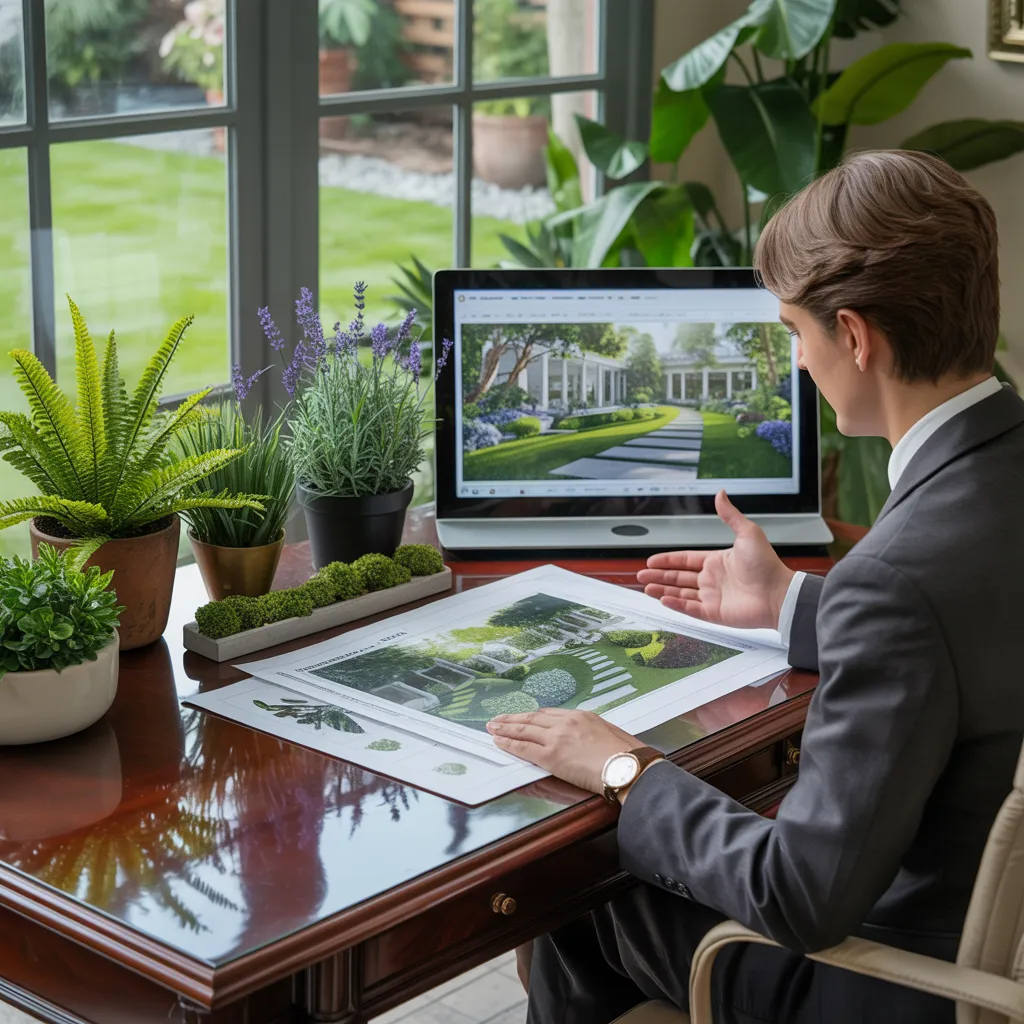
Analyze Your Yard to Set Your Landscape Design Goals
Before undertaking any landscaping project, it is essential for homeowners to thoroughly evaluate their outdoor space. This preliminary assessment allows them to grasp the unique features of their yard, including light exposure, ground quality, and existing vegetation. Recognizing these aspects supports in determining what types of landscape features and design can be effectively incorporated into the area.
Homeowners should take measurements and note any barriers including trees, barriers, or pathways that may affect the design. Furthermore, recognizing individual tastes and lifestyle needs—such as entertainment areas, gardening, or relaxation—can guide the landscaping goals. By specifically establishing these objectives, property owners create a solid base for a unified and practical exterior area. This careful evaluation ultimately leads to a more rewarding and successful garden renovation, ensuring the exterior environment improves not just the property's visual appeal but furthermore meets the practical needs of its inhabitants.
Pick the Ideal Plants for Your Area's Weather
Selecting the right plants for a specific climate is critical for establishing a flourishing exterior environment. Understanding local weather patterns, such as heat levels, rainfall, and moisture levels, supports property owners choose plants that will flourish. Native plants often adapt best, needing less upkeep and irrigation. As an instance, drought-resistant varieties are ideal for arid regions, whereas water-preferring plants flourish in humid climates.
Gardeners should also take into account seasonal changes; selecting plants that provide year-round interest improves the garden. Spring-flowering plants, warm-season vegetation, and colorful autumn leaves can create a striking visual display. Furthermore, consulting neighborhood nurseries or agricultural resources can offer helpful information into durable vegetation suited to particular regions.
Ultimately, a strategically designed vegetation arrangement not only improves visual appeal but additionally promotes native fauna and supports environmental sustainability, which makes it a wise choice for every outdoor space transformation.
Elevate Your Garden Through Functional Hardscaping Additions
Functional hardscaping elements prove vital in creating exterior layouts and increasing their functionality. By integrating seating zones and well-designed pathways, homeowners can create charming outdoor spaces that encourage rest and activity. Additionally, borders can help delineate different zones within the garden, providing organization and visual interest.
Structure Your Exterior Environment
Creating a thoroughly structured outdoor space can renovate a yard into a welcoming retreat. One proven method to achieve this is through practical landscape features, which establish structure and arrangement. Walkways made from natural stone or brick guide guests while boosting visual appeal. Support walls can establish layered heights, enhancing the garden's overall design and stopping soil loss. Fencing or trellises can mark borders, providing privacy and a sense of enclosure. Adding elevated planting areas not only defines planting areas but also makes them more accessible. These elements operate in harmony to establish separate areas that enhance both aesthetics and functionality. Ultimately, a well-organized outdoor space creates a peaceful setting where homeowners can unwind and appreciate the outdoors.
Integrate Seating Areas
Incorporating sitting zones into an outdoor space greatly improves its functionality and appeal. By integrating functional hardscaping elements, homeowners can create inviting spots for rest, gathering, or appreciating the outdoors. Options include benches, patio sets, or hammocks, each contributing to the garden's aesthetic and coziness. Thoughtfully positioning chairs near key areas like garden displays or fountains, encourages users to engage with their surroundings. Additionally, using materials like stone or wood can complement the garden's design, maintaining visual unity. Overhead coverings, such as pergolas or umbrellas, offer relief during hot seasons, ensuring these spaces are functional year-round. Ultimately, well-designed seating areas convert a standard yard into a welcoming retreat for family and friends.
Design Pathways And Edges
Walkways and borders serve as essential features in landscape design, navigating people across the garden while improving its compositional integrity. These establish flow and organization, supporting the differentiation of separate spaces and planting options. Stone, brick, or gravel selections can create durable routes, and borders made with plants or decorative fencing improve aesthetic appeal. Exploration is facilitated by passages, which direct eyes toward spots such as planted areas or aquatic installations. Properly maintained borders reduce invasive vegetation and ground erosion, promoting garden wellness. Adding pathways and borders increases practicality and improves stylistic charm in your exterior environment, transforming locations into more attractive and delightful settings.
Build Flow Using Pathways and Seating Arrangements
A thoughtfully designed exterior area regularly showcases a cohesive circulation created through strategically arranged pathways and rest areas. Pathways lead people throughout the garden, developing a strong sense of navigation while improving the aesthetic appeal. Applying selections including gravel, stone, or wood can improve the path's beauty and support durability.
Seating areas provide rest points, inviting guests to pause and appreciate the surroundings. Strategically positioning seating near focal points, such as a fountain or a flower bed, encourages interaction with the landscape. The choice of seating—benches, chairs, or even hammocks—can influence the atmosphere, whether it be casual or formal.
Combining walkways and sitting spaces generates a warm environment, upgrading utility and contentment. In tandem, they construct a smooth flow between distinct areas of the garden, stimulating exploration and rest, ultimately reshaping any exterior setting into a calm escape.
Enhance Your Landscape With Seasonal Hues and Variety
To improve the aesthetic quality of a landscape, thoughtful choosing of seasonal varieties is critical. Combining various textural qualities can bring dimension and engagement, as well as carefully positioned highlights can capture attention and develop a unified composition. All these aspects combined assure a lively and engaging exterior environment all year long.
Decide on Seasonal Plants Wisely
Selecting plants that bloom seasonally carefully can transform any garden into a vibrant tapestry of color and texture. By choosing plants that bloom at different times throughout the year, gardeners can guarantee a year-round showcase of blooms. Spring bulbs, summer annuals, fall-blooming perennials, and evergreen winter plants each contribute unique hues and forms to the landscape. It is essential to take into account local climate conditions and soil types, as well as the plants' growth habits. Native species often grow more successfully with minimal upkeep, enhancing biodiversity. Additionally, mixing plants of different sizes and flowering periods can produce an engaging visual display. Ultimately, careful plant choices fosters a garden that evolves with the seasons, offering a delightful experience year-round.
Develop Texture Combinations To Create Visual Depth
Making depth in a garden involves layering textures that complement and enhance seasonal color. By combining various plants with diverse leaf configurations, scales, and palettes, one can achieve a visually dynamic landscape. For instance, the use of broad-leaved plants alongside fine-textured grasses can create contrast and intrigue. Additionally, integrating bark, stones, and other natural materials introduces sensory features that strengthen the garden experience. Seasonal flowers must be thoughtfully placed to deliver color highlights across all seasons, ensuring that each layer remains visually interesting. This strategic plan not only captures attention across the landscape but also fosters an immersive atmosphere where every detail contributes to the garden's beauty and harmony.
Place Visual Anchors Carefully
Purposefully integrating visual centerpieces can markedly enhance a garden's aesthetic quality and seasonal richness. These focal center elements provide anchors that attract the gaze and foster landscape unity. Gardeners can apply additions like sculptures, ornamental specimens, or radiant planting beds to establish visual interest. Seasonal color can be infused via the selective planting of plants with alternating bloom cycles, ensuring that the garden remains dynamic throughout the year. Textures also play a significant role; blending flat stone surfaces with uneven bark or thick plant life adds depth. By deliberately arranging these pieces, a gardener can create an inviting atmosphere that encourages exploration and appreciation, transforming an outdoor space into an engaging retreat.
Adopt Responsible Approaches for a Thriving Garden
Embracing eco-friendly practices is essential for growing a healthy garden that thrives in balance with the ecosystem. Gardeners are encouraged to utilize naturally-occurring flora, which necessitate less liquid and attention while promoting regional fauna. Applying sustainable farming techniques, such as composting methods and biological pest control, can substantially reduce synthetic chemicals, fostering a improved natural system.
Water-efficient techniques, including efficient water delivery and rain capture, optimize environmental responsibility by enhancing resource efficiency. Mulching preserves hydration additionally reduces invasive vegetation, decreasing the need for chemical weed control. Furthermore, encouraging biodiversity by adding a variety of plants promotes strength to insects as well as pathogens.
Healthy soil is important; methods such as crop cycling and soil-covering plants preserve soil nutrients excluding the need for chemical fertilizers. By implementing these environmentally-conscious practices, growing enthusiasts can establish a flourishing environment supporting both plants and environmental health, creating a greater horticultural experience.
Manage Standard Difficulties for Year-Round Garden Appeal
A properly-cared-for landscaped area can experience many challenges year-round, altering its useful tips combined aesthetics as well as well-being. Typical problems include pest infestations, lacking minerals, and inadequate water supply. Recognizing pests in advance is vital; gardeners should routinely check leaves for injury marks as well as address pest issues with organic solutions alternatively bringing in natural predators.
Lacking minerals commonly manifest as discolored leaves or limited growth. Conducting soil tests can allow identify specific needs, allowing to enable precise fertilization to bring back balance. Also, securing proper irrigation is crucial; over-irrigation can result in root decay, on the other hand insufficient watering stresses vegetation.
Seasonal shifts moreover demand adaptations to upkeep. During winter, using mulch guards root systems against cold, while summer months might require increased watering as well as partial shade to protect fragile plants. By addressing these typical problems promptly
Is it Better to Do Outdoor Work Myself or Engage a Specialist?
It is possible to manage landscaping projects solo, leveraging internet information and original ideas. However, hiring a professional guarantees skill, efficiency, and better outcomes, notably for complex designs or substantial jobs that call for expert knowledge.
Which Implements Are Necessary for Residential Landscaping?
Necessary tools for residential landscaping include a rake, spade, shovel, pruning scissors, garden cultivator, and a garden hose or water can. These equipment support effectively maintain earth, greenery, and comprehensive garden care, guaranteeing successful landscaping.
What's the Proper Strategy to Care for My Landscape Across the Seasons?
To keep a garden area thriving across the seasons, frequently prune plants, apply garden mulch for insulation, watch water levels, and implement seasonal planting approaches. Also, pest management and fertilization are vital for flourishing, vibrant plants.